
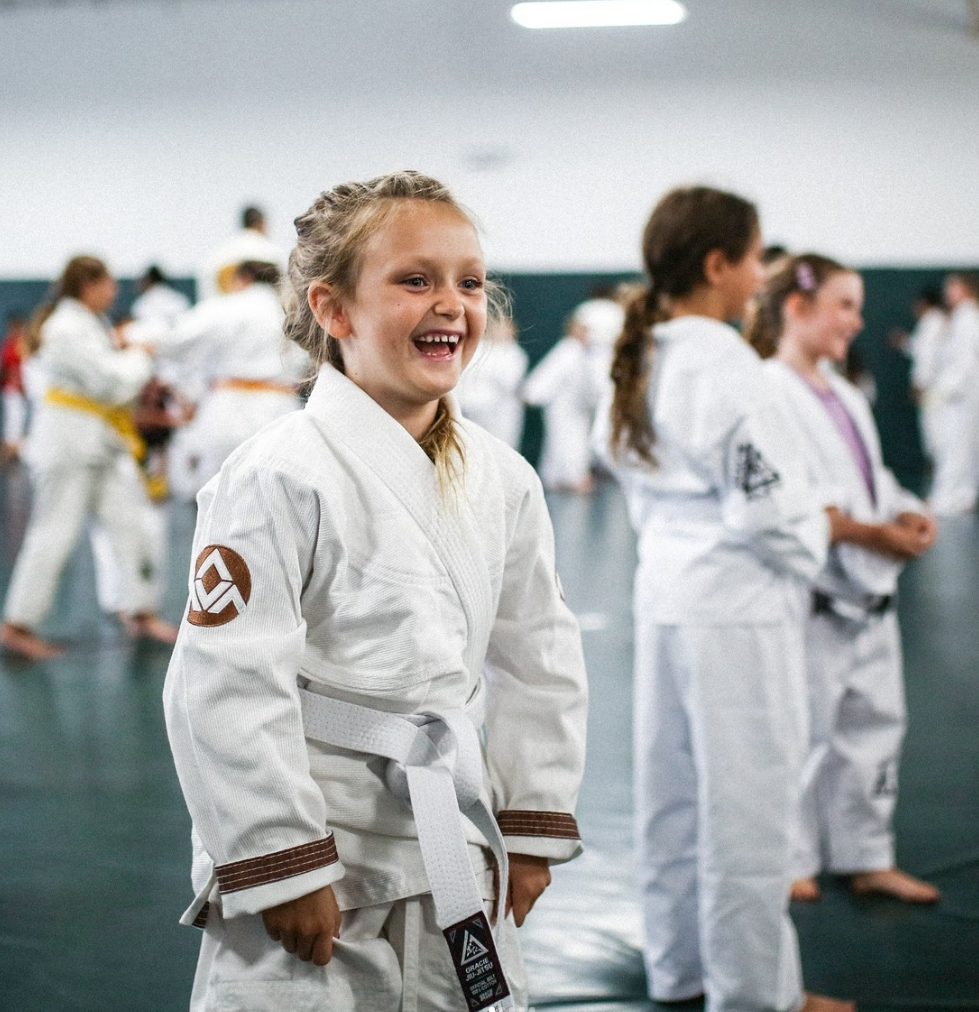
Leadership is not a lecture on a whiteboard, it is a habit your child can practice every week on the mats.
Parents in San Jose are busy, and kids are busier than ever. Between school expectations, social pressure, and packed schedules, leadership can feel like one more thing we hope children magically develop. In our experience, it grows best in environments where kids can practice making choices, managing emotions, and working with others, not just hearing about it.
That is why Youth Jiu-Jitsu is such a powerful fit for families looking for more than an after-school activity. When kids train consistently, we see leadership show up in simple, repeatable moments: lining up on time, partnering respectfully, speaking up when confused, and helping someone newer feel welcome. Those small reps add up.
In this guide, we will break down what leadership looks like inside a kids class, how it transfers to school and home life in San Jose, and what you can expect if your child is brand new to Youth Jiu-Jitsu.
What leadership really means for kids (and why parents notice it first at home)
When adults say leadership, we often picture a student council speech or a team captain giving a pep talk. For kids, leadership looks quieter and more practical: self-control, follow-through, and the ability to stay respectful even when something feels hard.
On the mats, we define leadership in kid-friendly terms. A leader listens the first time. A leader keeps hands to self. A leader takes responsibility after a mistake instead of blaming a partner. Those behaviors sound simple, but they are exactly what teachers and parents in San Jose are asking for.
Leadership also includes empathy. Youth Jiu-Jitsu requires partner work, and partner work requires awareness. If your child learns to match intensity, check in, and keep others safe, your child is practicing the kind of social maturity that shows up in group projects, playground conflicts, and sibling dynamics.
Why Youth Jiu-Jitsu builds leadership differently than many kids activities
A big reason Youth Jiu-Jitsu develops leadership skills is the structure. Kids do not just run around until they are tired. We use clear routines, consistent expectations, and a curriculum that rewards effort and responsibility over raw athleticism.
Another reason is the pace. Jiu-jitsu puts kids into small problem-solving situations again and again. A technique does not work? Adjust. A partner is larger? Use leverage. Feeling frustrated? Breathe, reset, try again. That process builds decision-making under uncertainty, which is a real leadership trait, not a motivational poster.
And because jiu-jitsu is interactive, kids learn communication naturally. They have to ask questions, take feedback, and work with different partners. Over time, many children become the kind of student who can calmly say, “Can we go lighter?” or “I do not understand that step yet.” That is leadership through healthy boundaries and clear words.
Leadership on the mats: what your child practices in a typical class
In a well-run kids program, leadership is not an extra topic at the end of class. It is woven into how the class operates. We coach kids to lead themselves first, and then lead others through example.
Here are a few leadership behaviors we intentionally build through training:
- Following directions quickly, even when the skill feels new or awkward, because leaders act with discipline before confidence shows up
- Treating partners with respect, including kids who are smaller, newer, or different, because leaders make teams safer and stronger
- Staying composed during challenges, like losing a round or getting stuck, because leaders do not spiral when things go wrong
- Taking ownership of mistakes, such as using too much strength or forgetting a rule, because responsibility is a leadership cornerstone
- Encouraging peers with simple words and good energy, because positive culture usually starts with one kid choosing it
The best part is that these are not abstract ideas. Kids get immediate feedback. When a child listens well, the class runs smoother. When a child stays calm, the technique improves. When a child is kind to a newer student, the room feels better. That is real-world leadership, just scaled to kid size.
Confidence for shy kids and self-control for energetic kids
San Jose families often ask us the same thing in different ways: “Will this help my child come out of their shell?” and “Will this help my child settle down?” Youth Jiu-Jitsu can support both, because leadership is not one personality type.
For shy or anxious kids
Shy kids often struggle with speaking up, taking space, or trying something new in front of peers. Jiu-jitsu gives them a script. Bow in. Line up. Partner up. Drill. Ask for help. The routine lowers social pressure, and success is measured by progress, not popularity.
We also see confidence grow because the skills are tangible. A child learns a movement, practices it, and feels it work. That “I can do hard things” feeling carries into school presentations and social situations.
For high-energy kids
Energetic kids do not need less energy, they need a place to aim it. On the mats, we set boundaries that teach self-management: wait your turn, control your body, keep your partner safe, and focus on the task. Those are leadership skills.
Over time, many parents notice improved listening and follow-through at home. It is not magic. It is repetition: kids practice structure several times a week, and the habit starts to stick.
Anti-bullying confidence without turning kids into bullies
One of the biggest reasons parents search Youth Jiu-Jitsu San Jose, CA is bullying, social stress, or a child who freezes in conflict. We take that concern seriously, and we approach it with balance.
Leadership in a bullying context is not about dominating someone. It is about calm presence, awareness, and the ability to respond without panic. Jiu-jitsu helps kids feel more capable in their bodies, which often changes their posture, eye contact, and tone. That alone can reduce how often they are targeted.
We also emphasize respect and restraint. Kids learn that skill comes with responsibility. If your child can control another person physically, your child must also learn when not to. That lesson is at the heart of leadership: power guided by values.
How leadership develops gradually (and what progress looks like)
Parents sometimes expect a quick switch, like one month of training equals instant confidence. In reality, leadership develops the way any skill does: through consistent reps, coaching, and small wins.
You may notice progress in stages:
1. Comfort and routine: your child learns the class structure, rules, and expectations
2. Skill ownership: your child remembers techniques, asks better questions, and stays focused longer
3. Emotional control: your child recovers faster from frustration and handles corrections calmly
4. Peer leadership: your child helps newer students, models good behavior, and contributes to a positive room
This is also why consistency matters. A once-in-a-while class can be fun, but regular training is what builds the habits that show up at school, at home, and with friends.
Safety and age-appropriate training: what parents should know
Safety is not a side note in Youth Jiu-Jitsu, it is part of the curriculum. We keep training age-appropriate, structured, and supervised so kids can learn with confidence.
We focus on controlled movement, clear rules, and partner awareness. Kids learn how to fall safely, how to use technique instead of force, and how to stop immediately when instructed. We also reinforce hygiene and mat etiquette, because leadership includes respecting the space and the people in it.
If you are wondering about sparring, you are not alone. Many families worry their child will be thrown into intense rounds on day one. Our approach is progressive. Beginners start with fundamentals, drilling, and simple games that build coordination and safe habits first. Live training, if included, is introduced gradually and with clear supervision.
What to expect in your child’s first class
Walking into a new activity can feel like a lot, for kids and parents. We keep the first experience straightforward and welcoming, with plenty of guidance. Expect a mix of structure and movement: warm-ups, fundamental techniques, and partner drills that are appropriate for beginners.
Your child does not need prior athletic experience to start Youth Jiu-Jitsu. We meet kids where they are, whether that means extra reminders about lining up and listening, or extra encouragement to try a new movement. Either way, the goal is the same: build confidence through competence.
A few practical notes help the day go smoother:
- Arrive a little early so your child can settle in and get oriented
- Bring water and let your child know it is normal to feel nervous at first
- Expect your child to be tired in a good way afterward, both mentally and physically
How often should kids train to build real leadership?
Leadership is a skill, and skills respond to frequency. Many families start with 2 classes per week, then adjust based on schedule and interest. Consistency matters more than intensity.
If your child trains regularly, you will often see leadership benefits beyond fitness:
- Better attention to instructions and classroom routines
- More respectful communication with adults and peers
- Improved ability to handle losing, frustration, and uncertainty
- More willingness to try, fail, and try again
This is one reason Youth Jiu-Jitsu fits San Jose life well. It supports school readiness, emotional stability, and social confidence in a structured environment, and those outcomes matter for real families with real calendars.
A parent checklist: signs a youth program is actually building leaders
Leadership development should be visible, not just promised. When you watch a class, you should be able to spot the habits being trained.
Use this checklist to see whether leadership is being practiced week to week:
- Kids are taught clear rules and held to them consistently, not randomly or only when it is convenient
- Instructors correct behavior calmly and specifically, so kids learn what to do next time
- Partner work is organized and supervised, with an emphasis on control and respect
- Older or more advanced students are guided to help newer students in healthy, supportive ways
- Progress is measured by behavior, effort, and skill growth, not just who is loudest or toughest
When these pieces are in place, Youth Jiu-Jitsu becomes a leadership lab: kids learn to lead themselves, then naturally start leading others through example.
Ready to Begin
If you want an activity that helps your child build confidence, discipline, and real-life leadership reps, Youth Jiu-Jitsu is one of the most practical options we offer in San Jose. The wins are not just on the mats. Parents often notice better listening, calmer responses to stress, and more willingness to take responsibility at home and at school.
We built our kids program to feel structured, safe, and encouraging, so your child can grow into leadership step by step. When you are ready, we would love to show you how that looks in person at Gracie Jiu-Jitsu San Jose.
See firsthand what makes training at Gracie Jiu-Jitsu San Jose special by joining a Jiu-Jitsu class today.